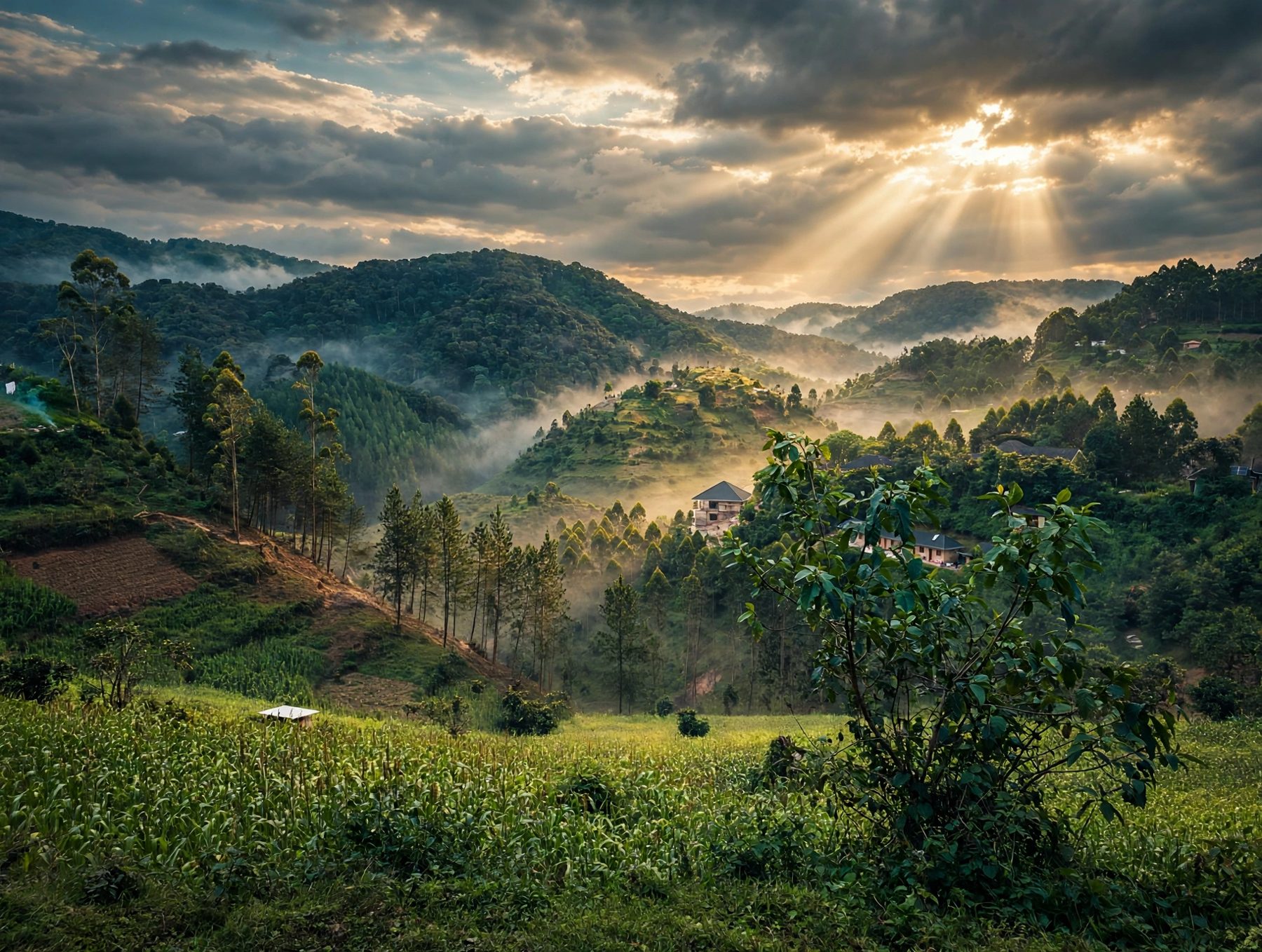
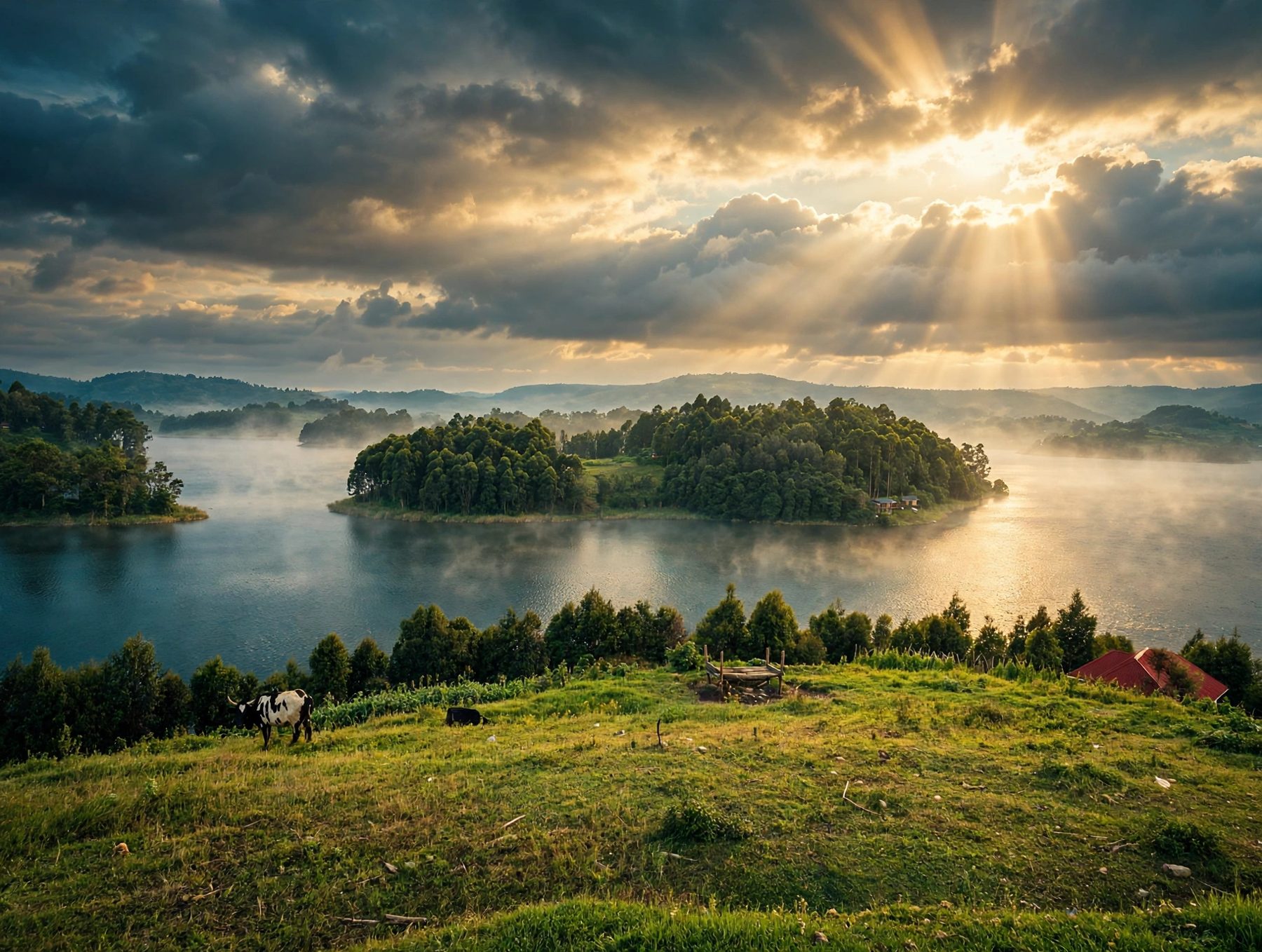
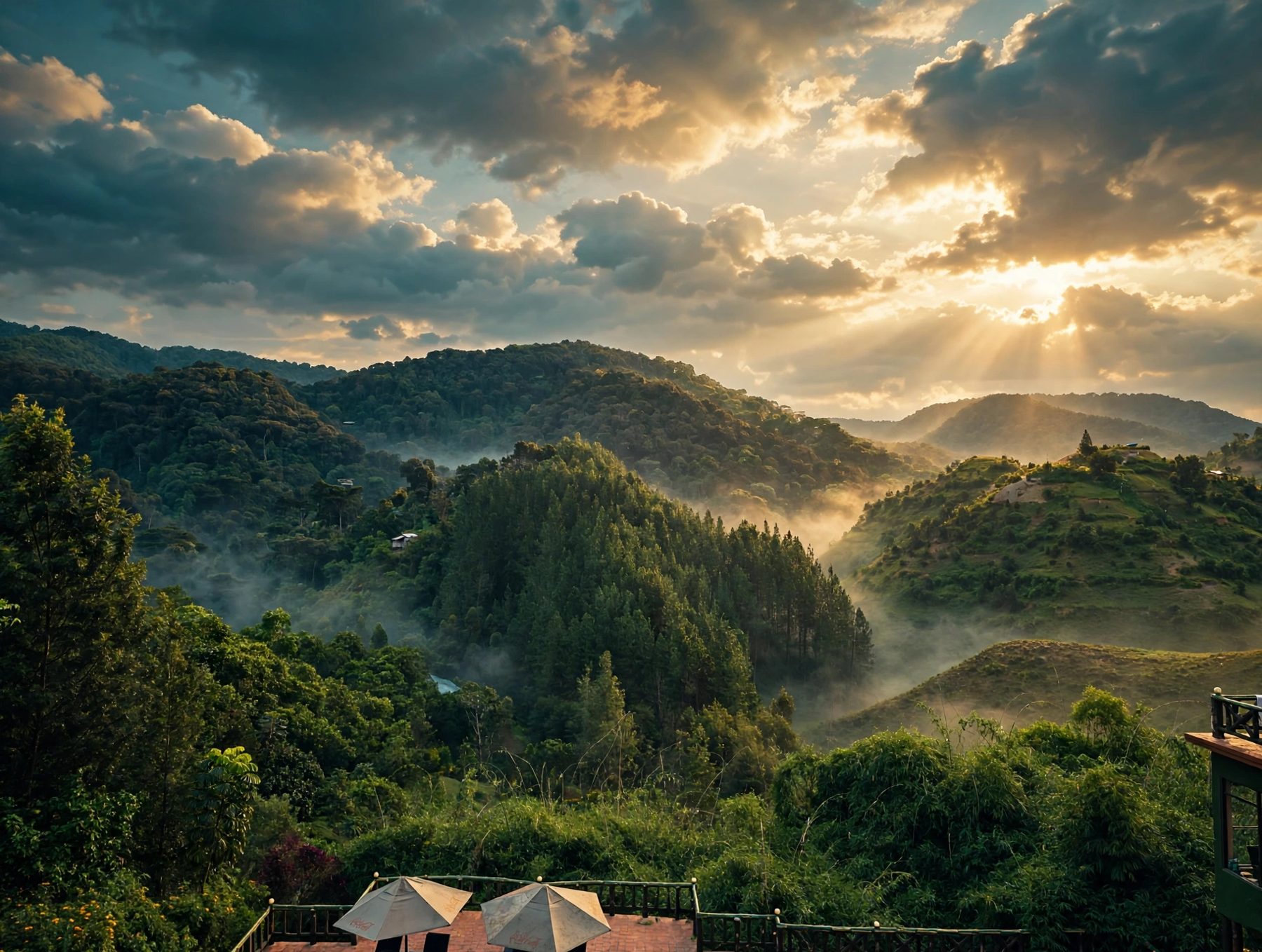
Rushaga, Bwindi, Uganda
The trek is one morning. The village is the rest.
Days out with the people who live around Bwindi: coffee, weaving, the Batwa trails, music. Book direct and the money stays in the villages next to the park.
Days out with the people who live around Bwindi: coffee, weaving, the Batwa trails, music. Book direct and the money stays in the villages next to the park.
Most people come to Bwindi for one morning with the gorillas. Stay for the people who live beside the forest.
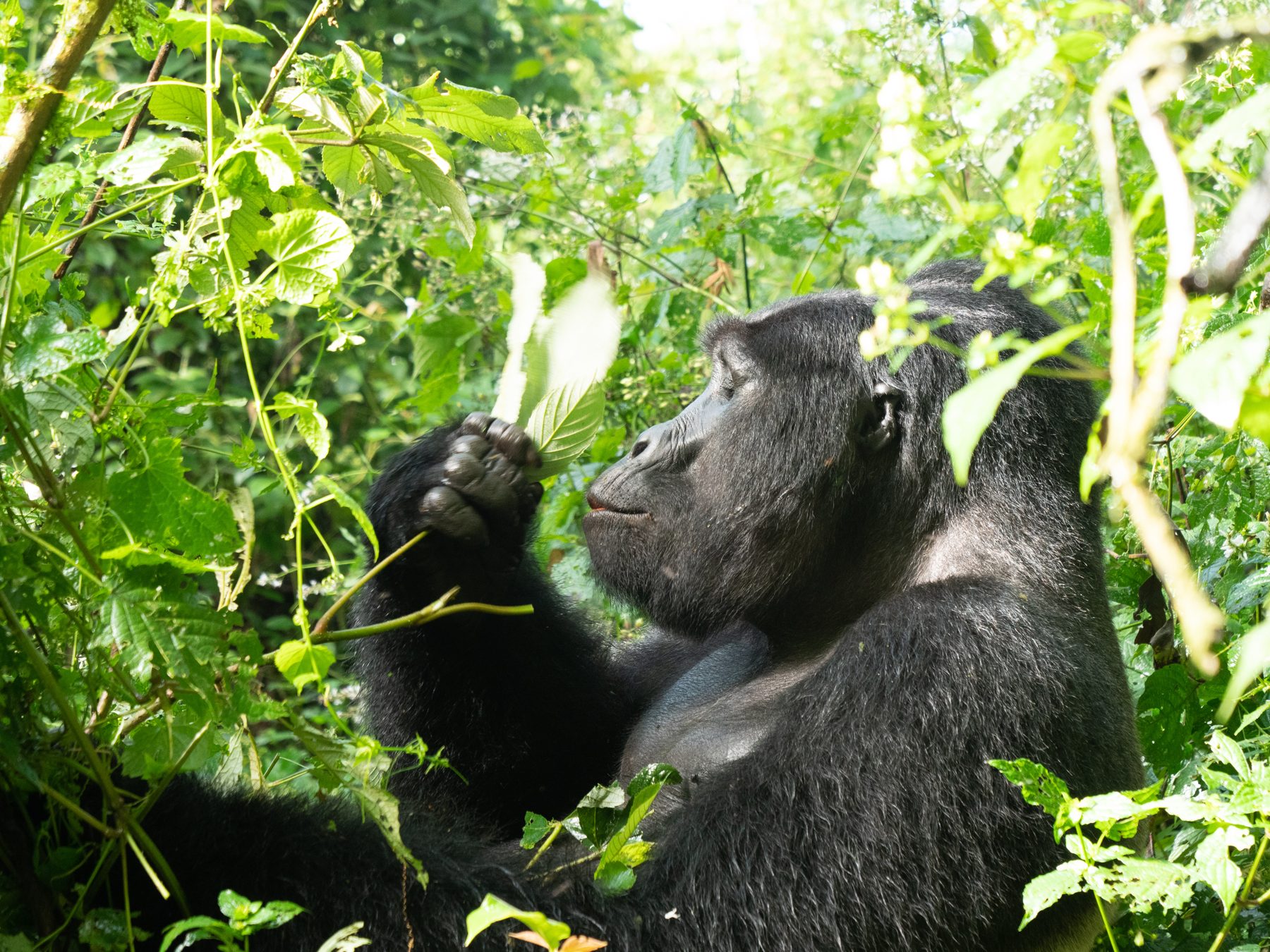
We help with permits, lodging and the trek itself. Then we show you what else this corner of Uganda has to offer.
Most visitors trek, sleep, and leave. The families around the park see very little of that money. We work with local guides and groups to offer days out run by the people who live here, so guests meet them properly and the payment goes straight to them.
We also help with gorilla permits and lodging, and we plan the whole trip if you want one person to deal with.
 013 hours
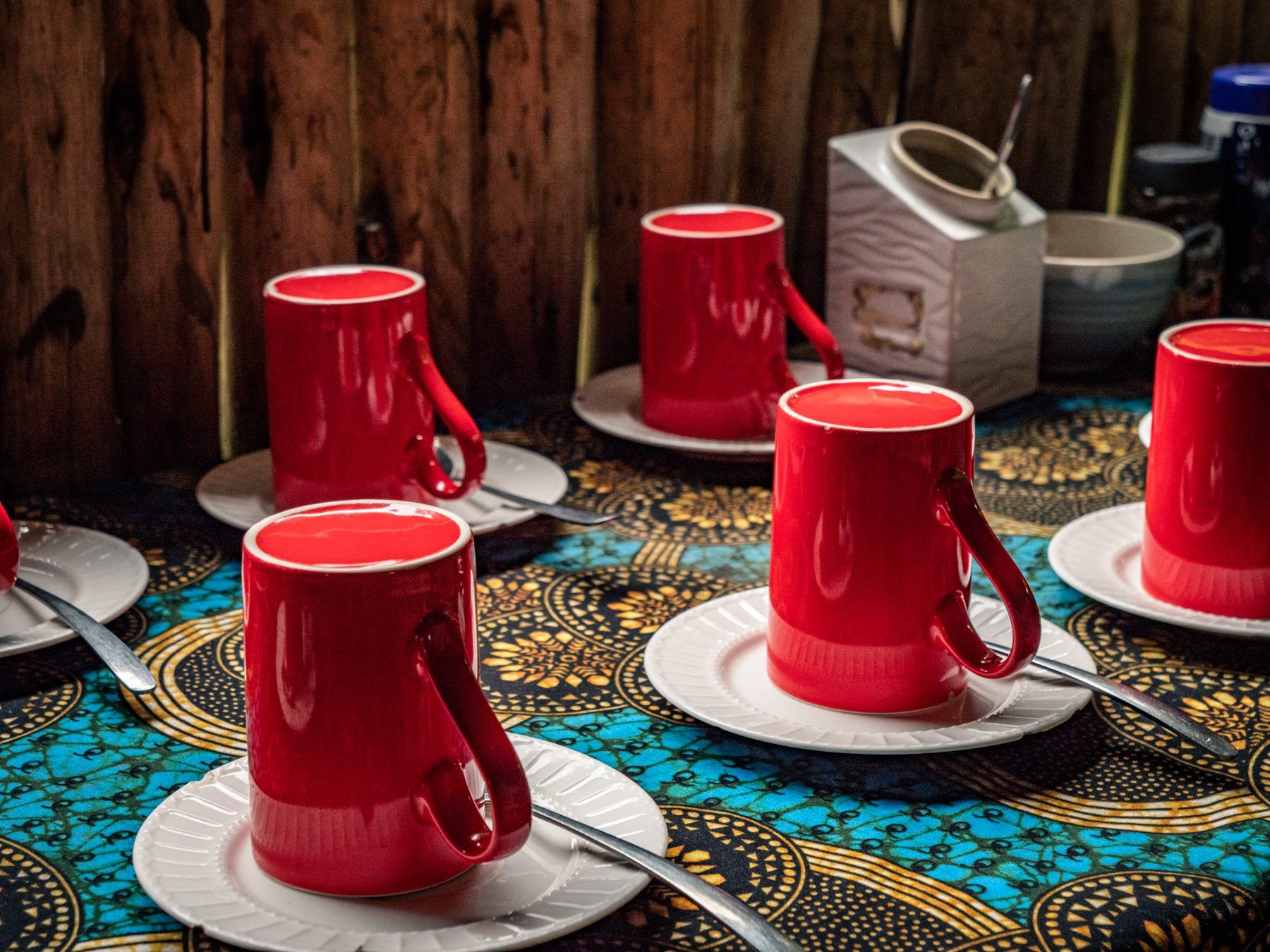
Walk the farm, pick, dry and roast on a clay pot, then drink what you made.
 02Full day
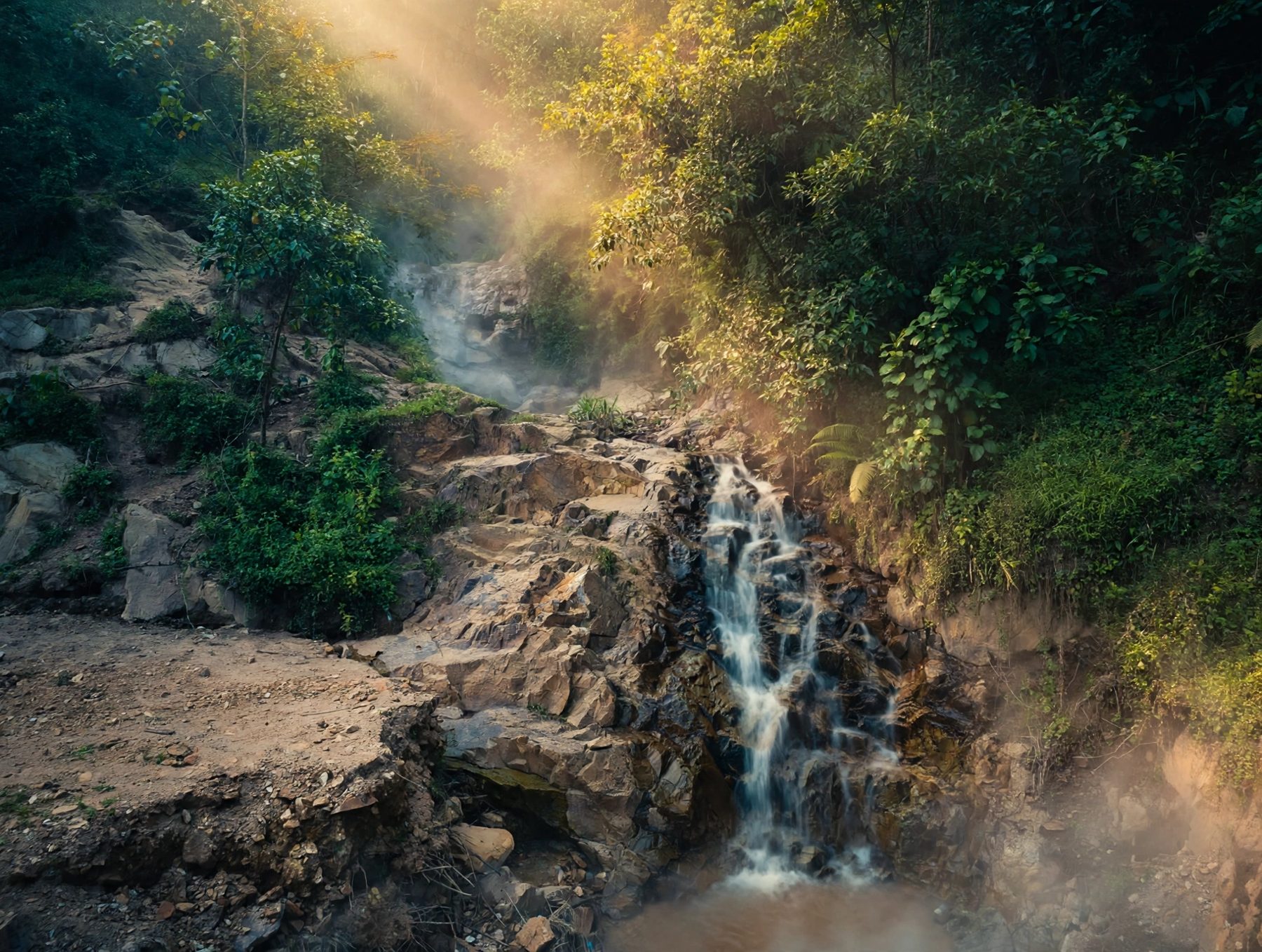
Walk with Batwa guides who explain how the forest was used for food and medicine.
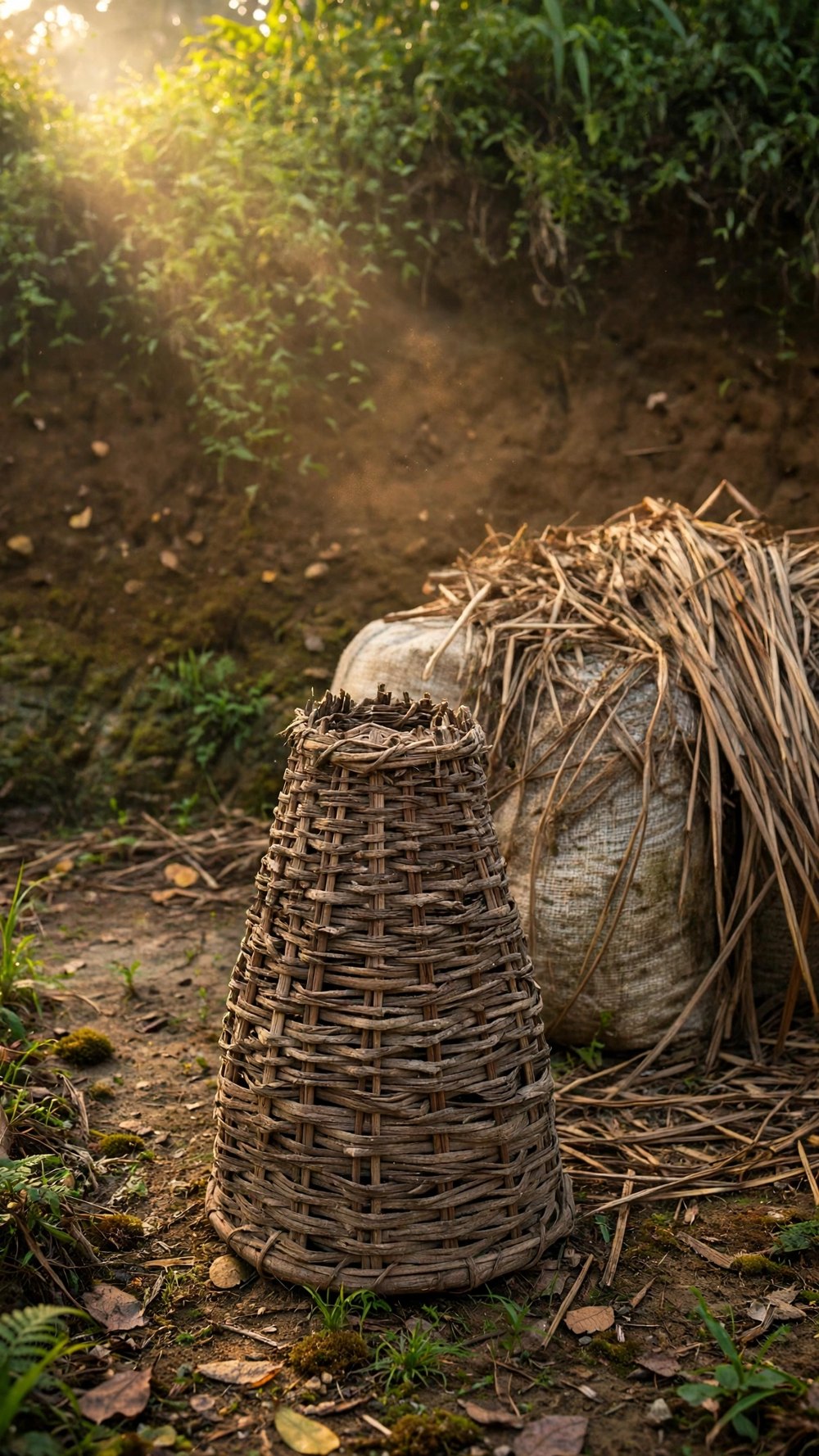 032 hours
Sit with local women and learn the weave. Take your basket home.
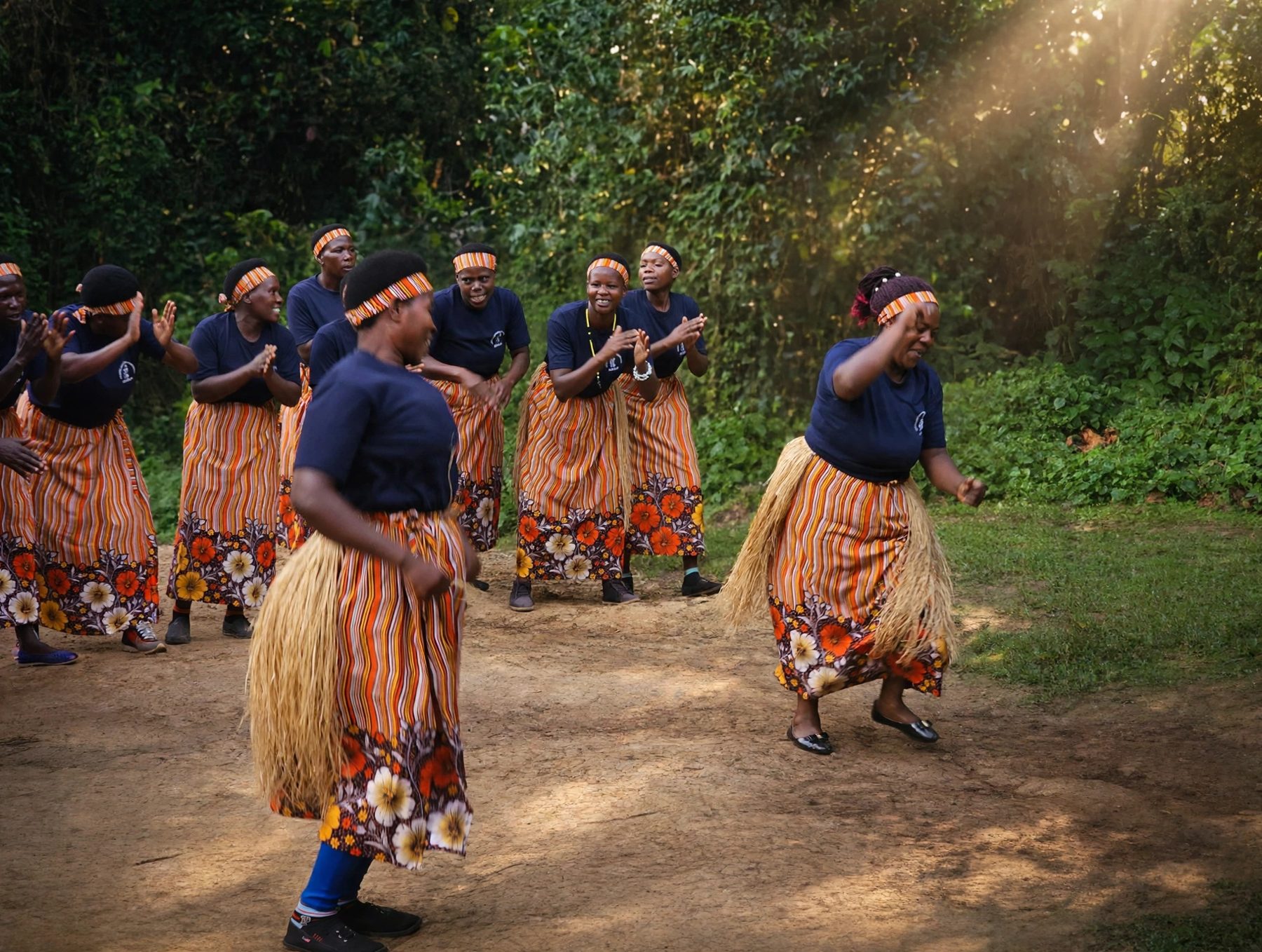 04Ask us
A local group sings, drums and dances. Stay for the questions afterwards.
 05Ask us
Banana beer brewing, tea plantation walks and community walks with a local guide.
 06On request
Ask us. We arrange these around your dates.
Times are typical. We fit them around your trek day.
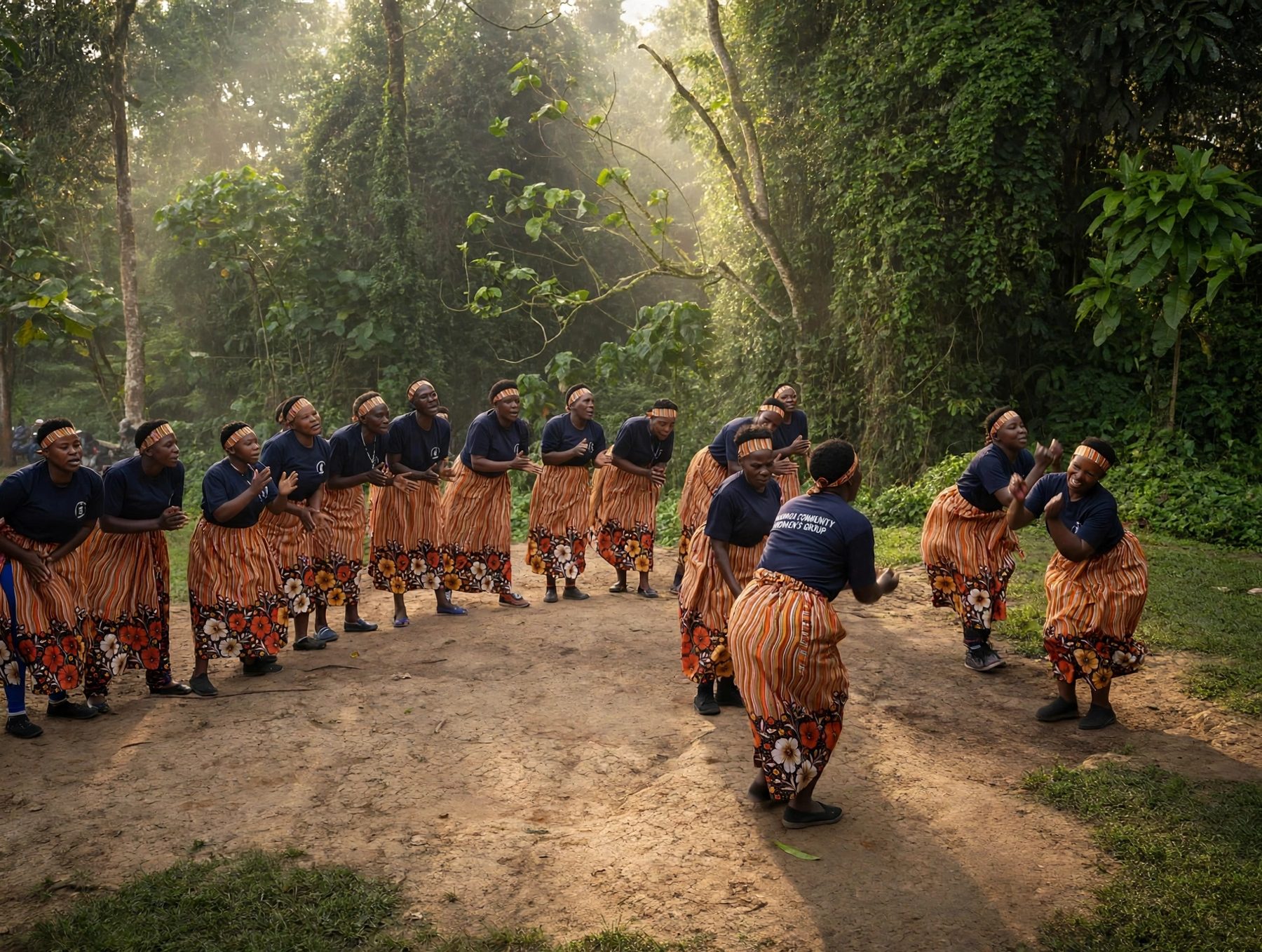
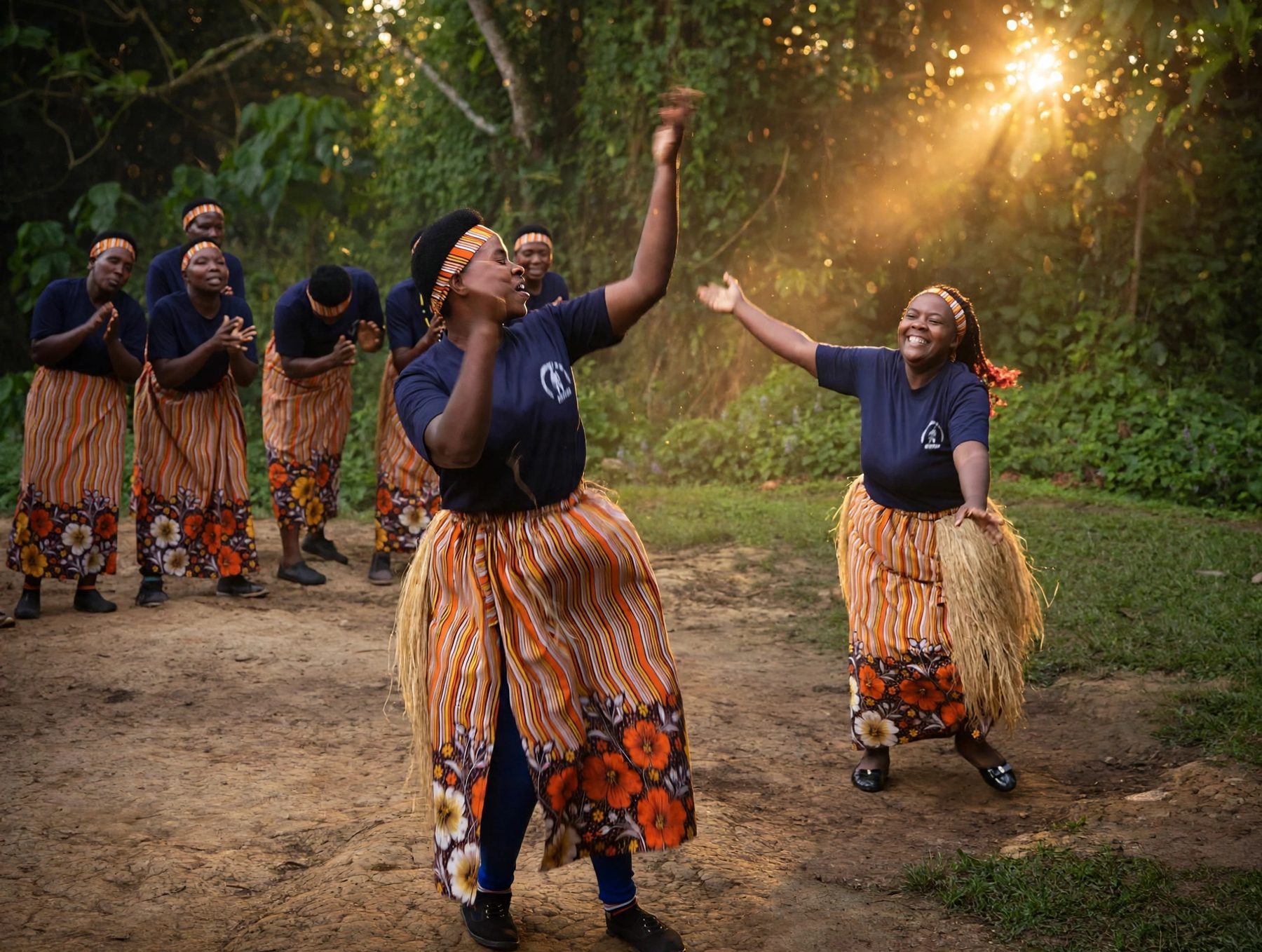
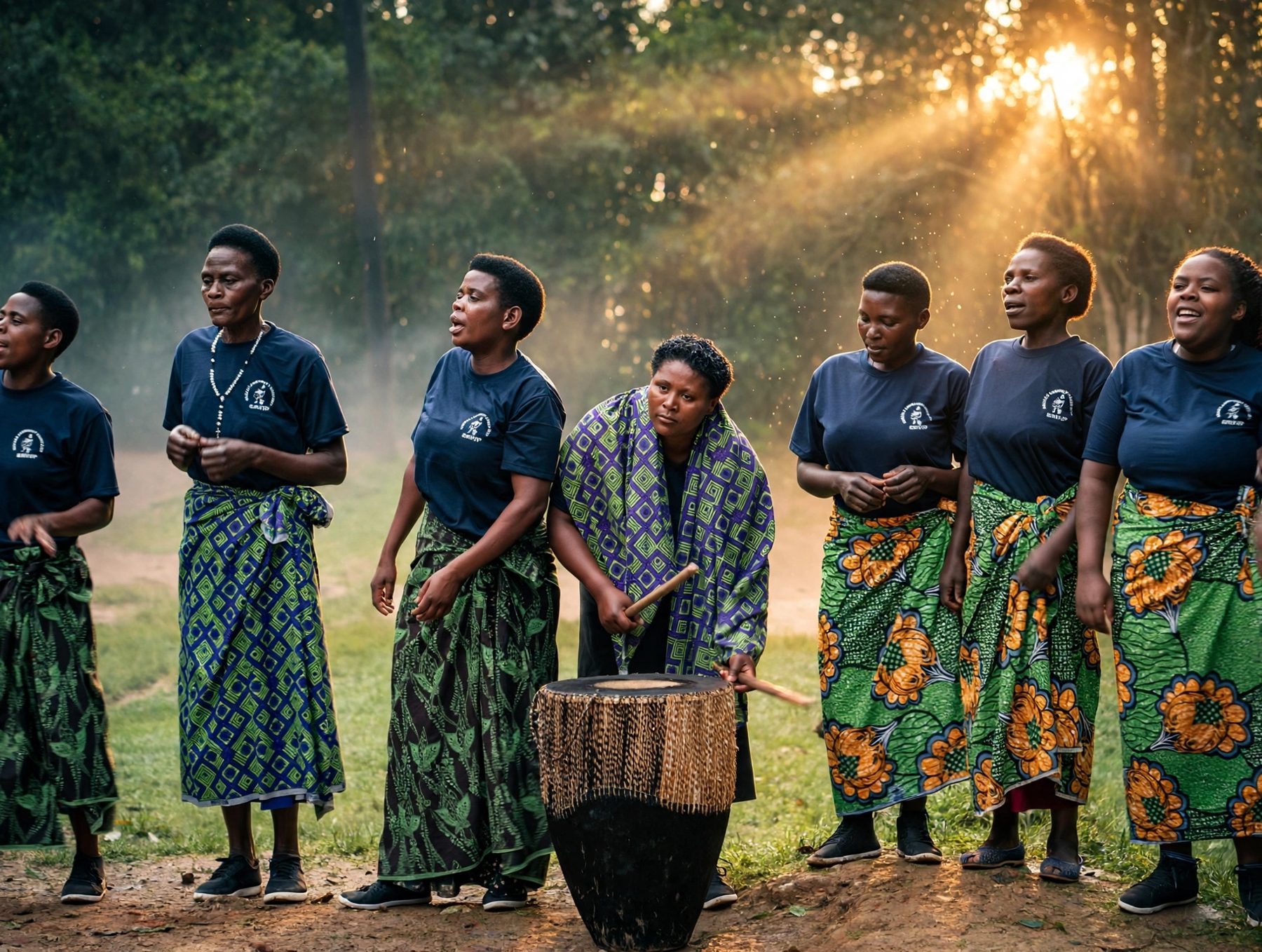
They perform in a clearing at the forest edge. It is not a stage show. You stand close, you feel the drum in your chest, and afterwards they will talk to you if you ask.
The Batwa are one of the oldest peoples of the Great Lakes region of Africa. For thousands of years they lived in the forests here, in what is now Uganda, Rwanda and Congo.
You may also hear the Batwa called "Pygmies". It is the old outside word for them, and for other short-statured forest peoples of Central Africa. Many Batwa dislike it, so we say Batwa.
Bwindi became a national park in 1991, partly to protect the mountain gorillas. The Batwa were made to leave the forest they had lived in. Most received no land and no compensation. They lost their homes, their food and their way of life. Many still live in poverty today.
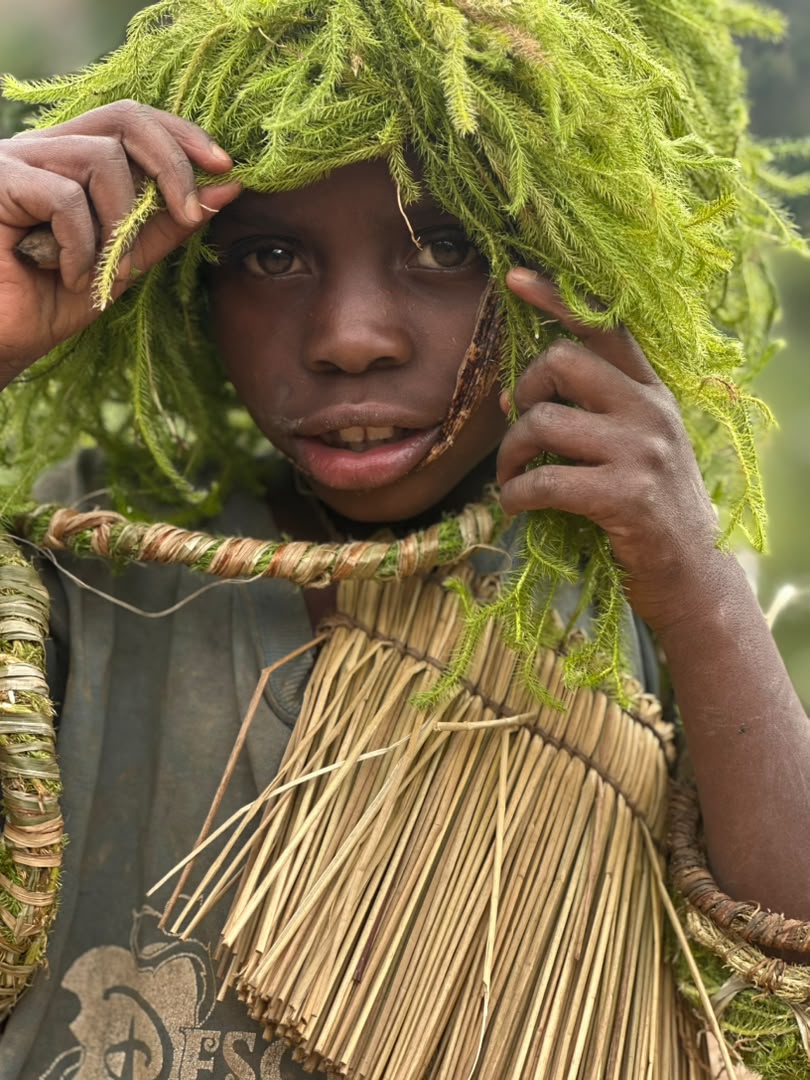
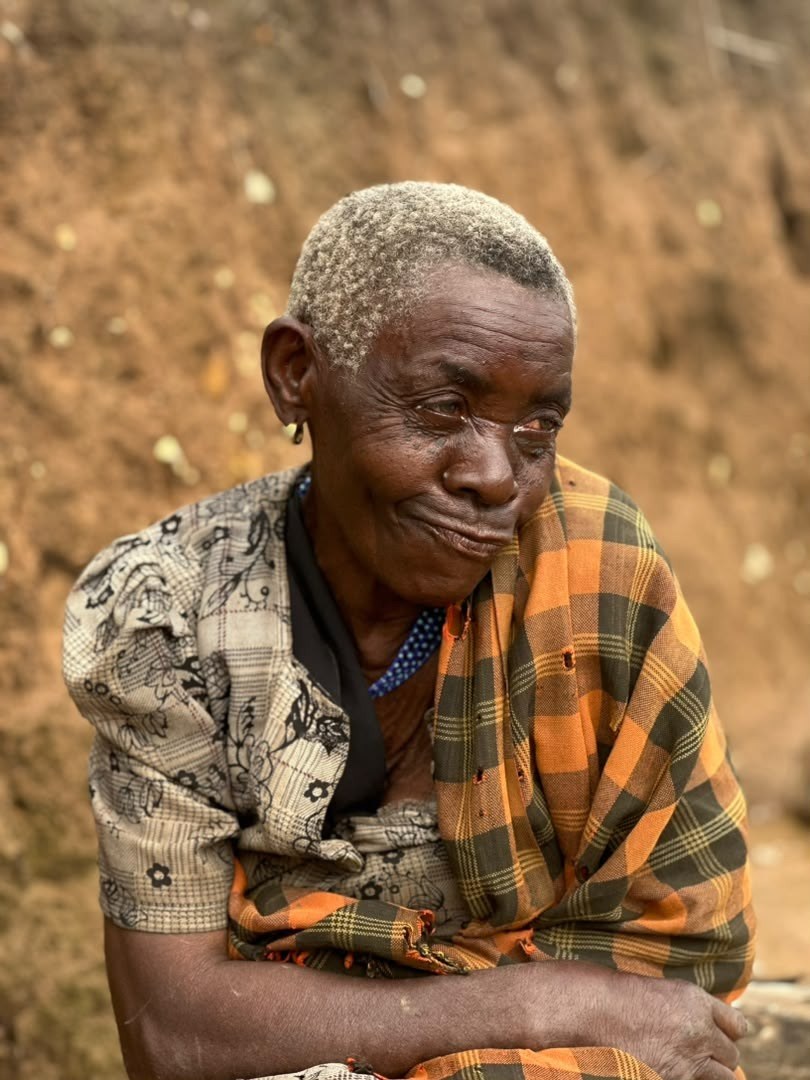
For the Batwa the forest was home, food store and medicine cabinet in one place. Families moved through it in small groups. They hunted small game with bows and dogs, and gathered honey, wild fruit, mushrooms and roots. They knew which plants treat which illness.
Music is at the center of Batwa life. They sing and dance to celebrate, to welcome visitors and to mark important moments. Songs, stories and plant knowledge are passed on by voice, from elders to children. Much of it is now held by older people, which is why it matters to sit and listen.
Since leaving the forest, many Batwa have had to build new lives from nothing. Some farm, some make pottery, and some share their culture with visitors.
On the Batwa trail you walk with Batwa guides who show you how the forest was used for food and medicine, and how hunting was done. You listen, you ask questions, and you learn at their pace.
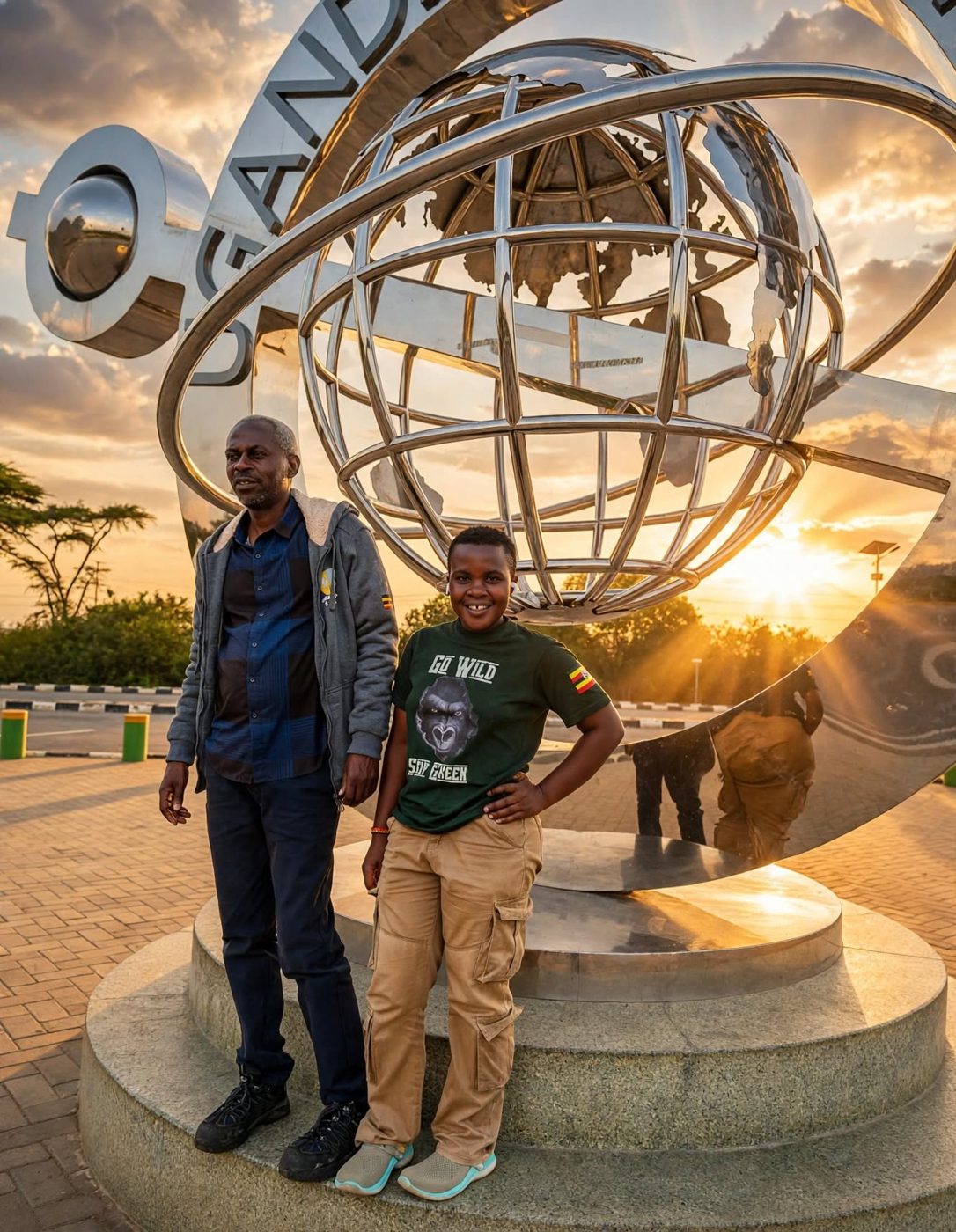
Silver Twesiime was born in Rushaga, the village at the edge of Bwindi. Uganda's troubled years meant he did not start primary school until he was 13. He went on to become a teacher.
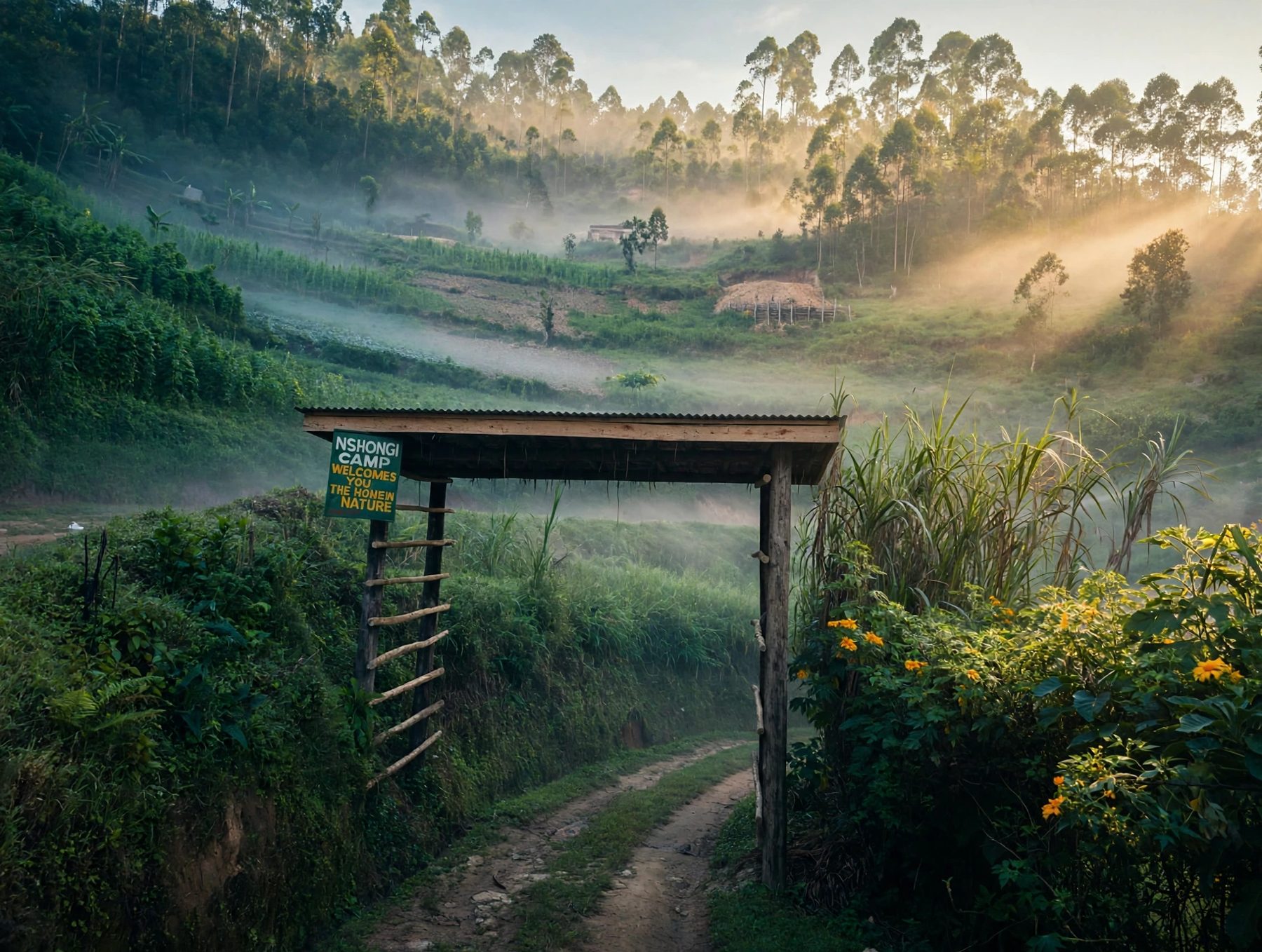
He built Nshongi Camp in the village where he was born, beside the park gate where the gorilla treks begin. Family comes first for him, and his daughter Gloria is part of this story too.
Silver is a philanthropist, and he does a great deal for the local community. He supports the local school and many other projects around the village, including these two.
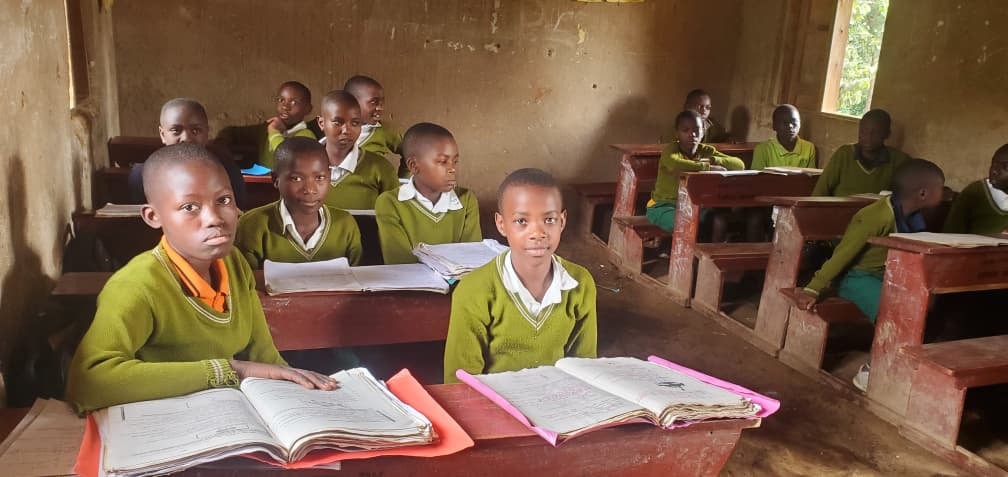
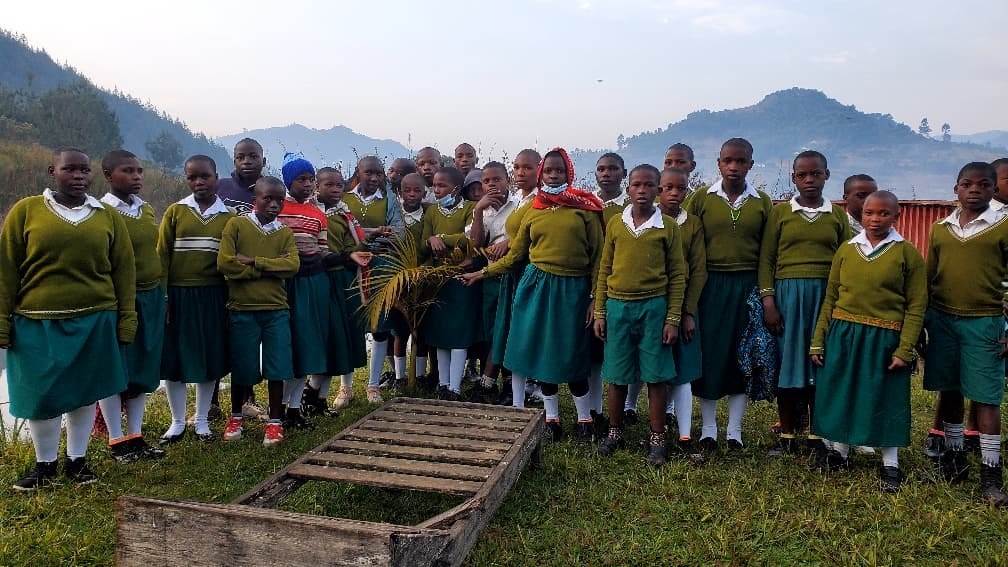
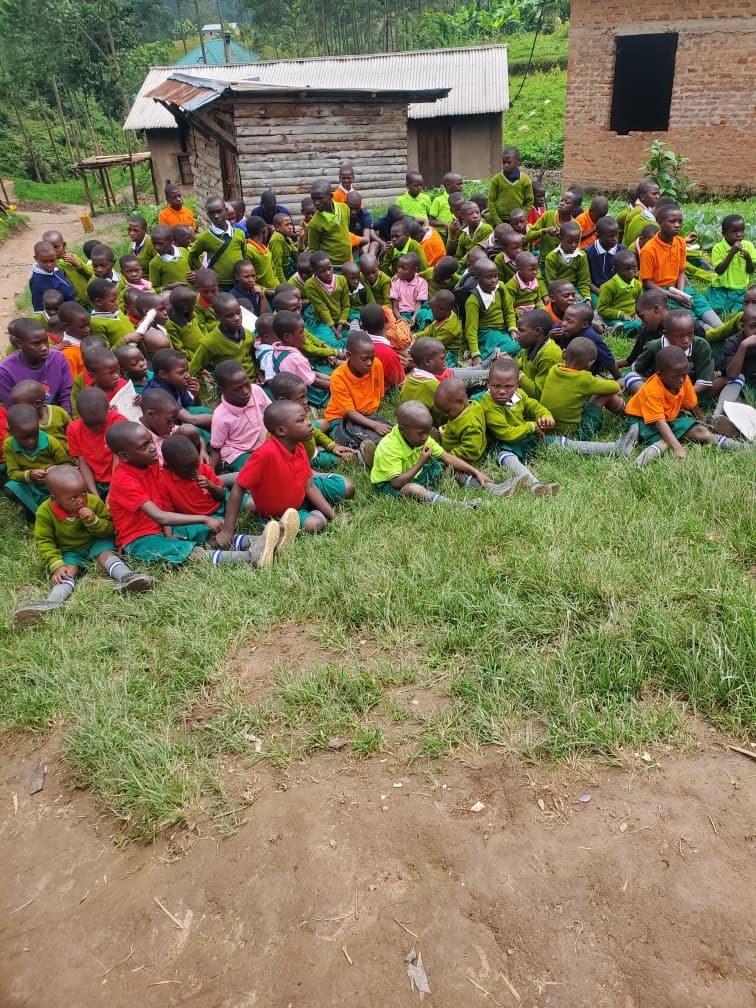
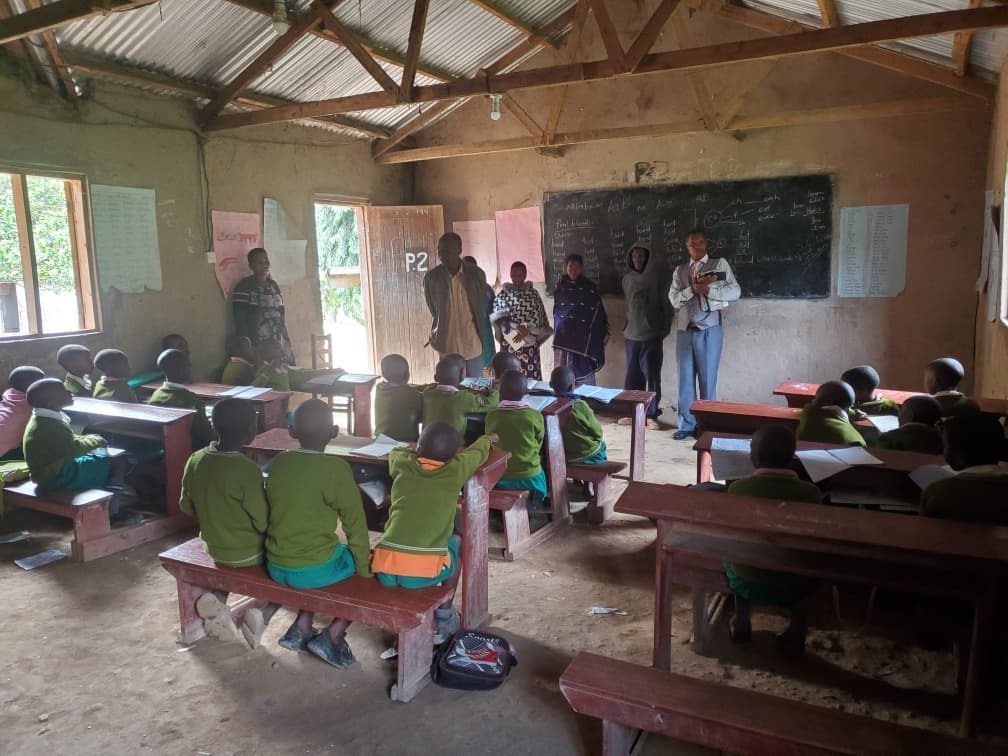
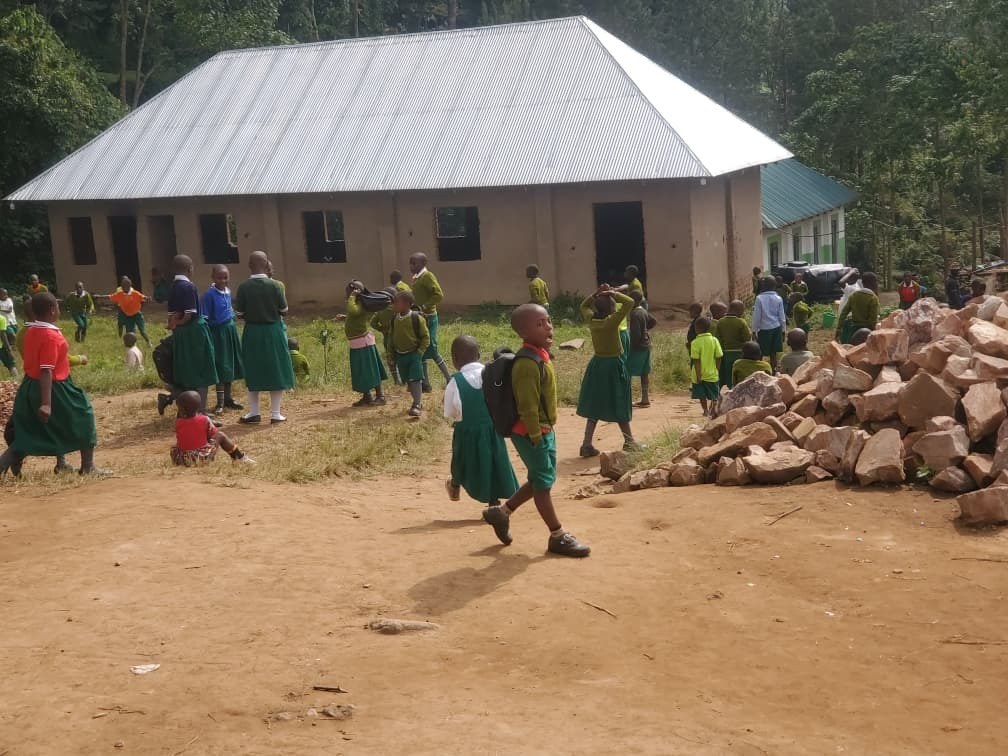
Schools around Rushaga are simple. Mud walls, tin roofs, wooden benches, and classes with a lot of children in them. A visit is something we arrange on request, and it is done with the school's agreement.
You see how a school day runs, you meet the teachers and the children, and you see what the school needs. Ask us before you come what is useful to bring.
We keep this simple on purpose. This is the order it moves in.
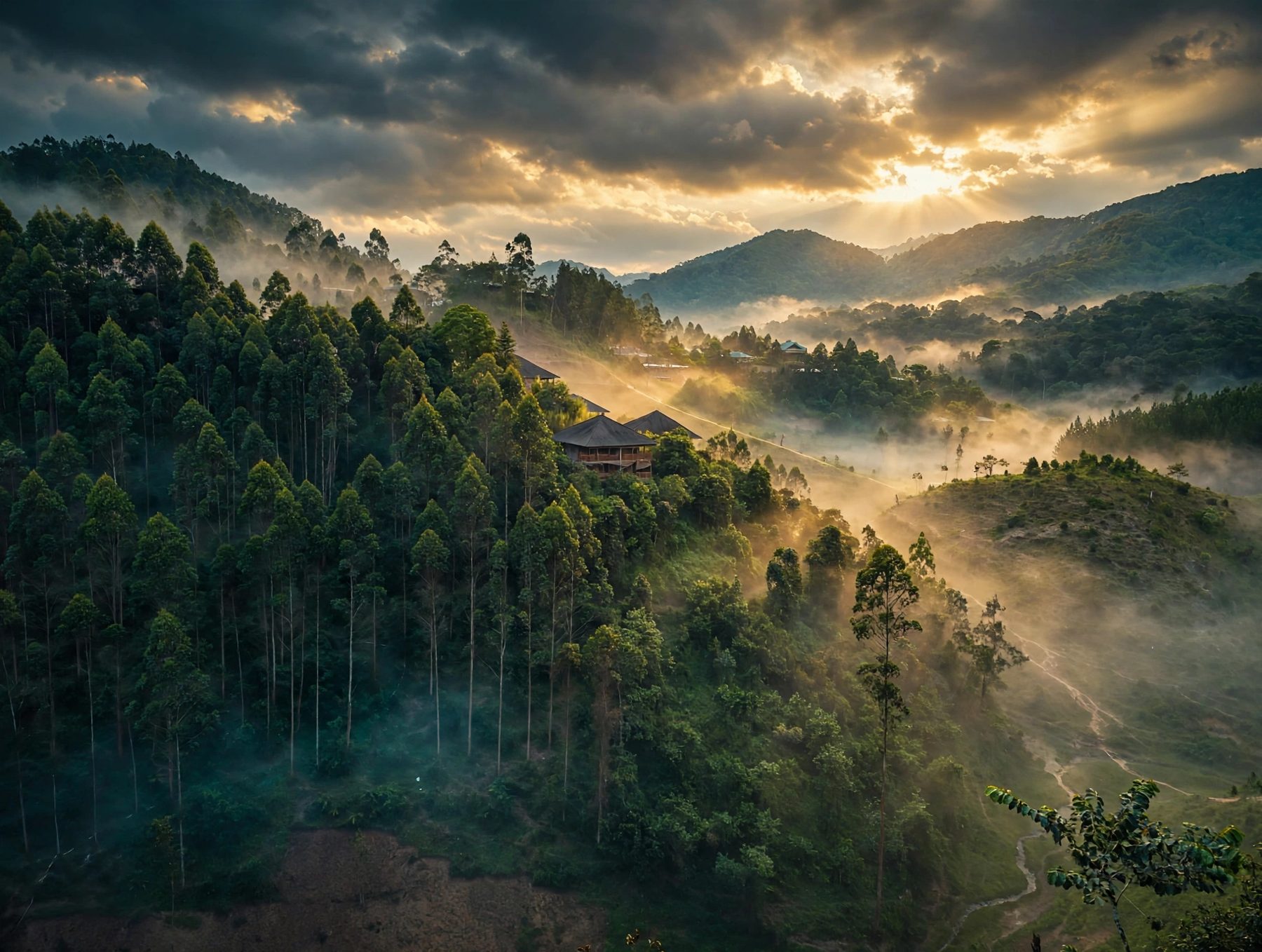
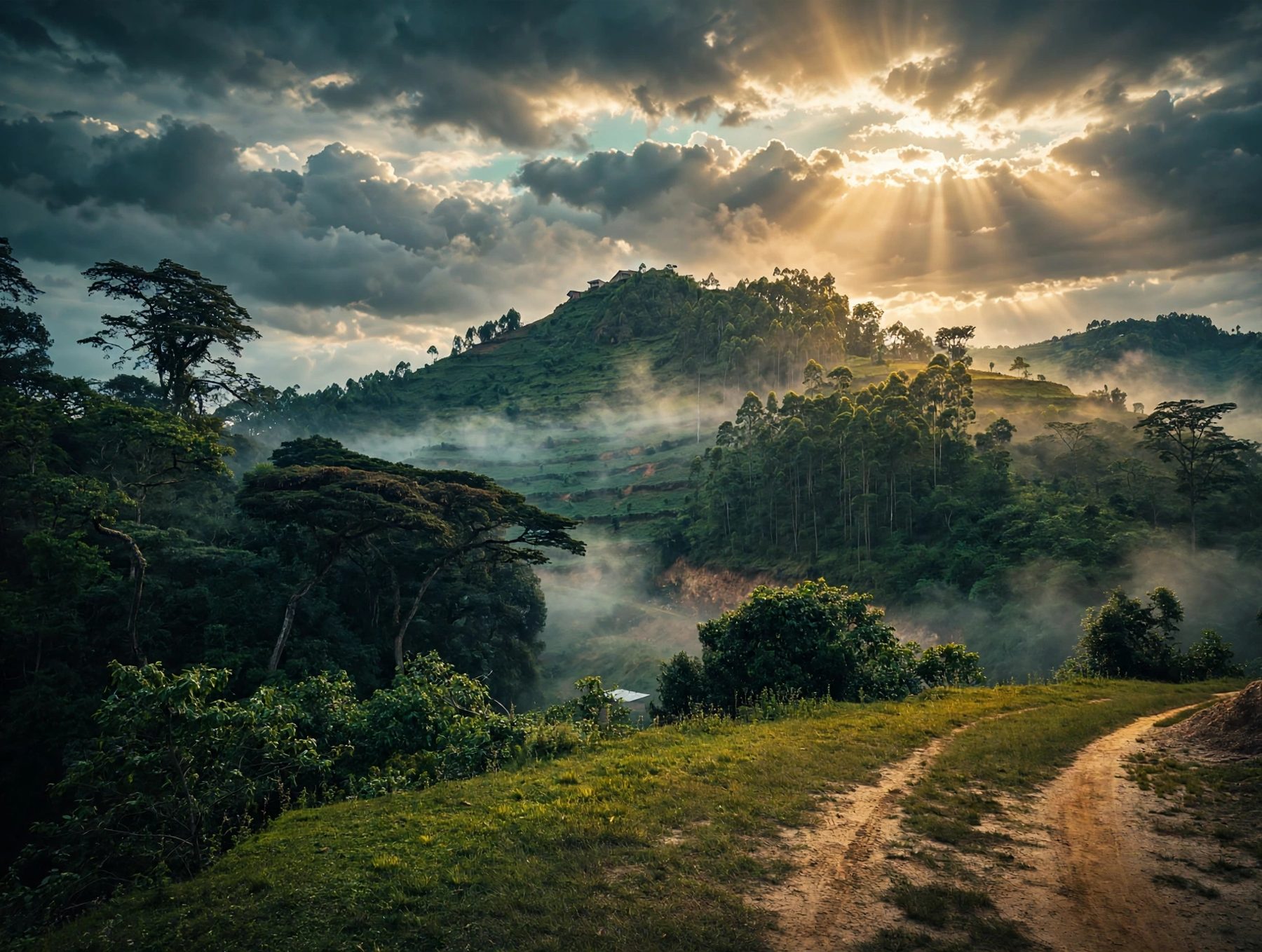
We are based in Rushaga, in the south of Bwindi Impenetrable National Park. For longer trips we also plan Queen Elizabeth, Lake Bunyonyi, the Rwenzoris, Mgahinga, Kibale, Murchison Falls, Lake Mutanda, Lake Mburo, Semuliki and Kidepo.
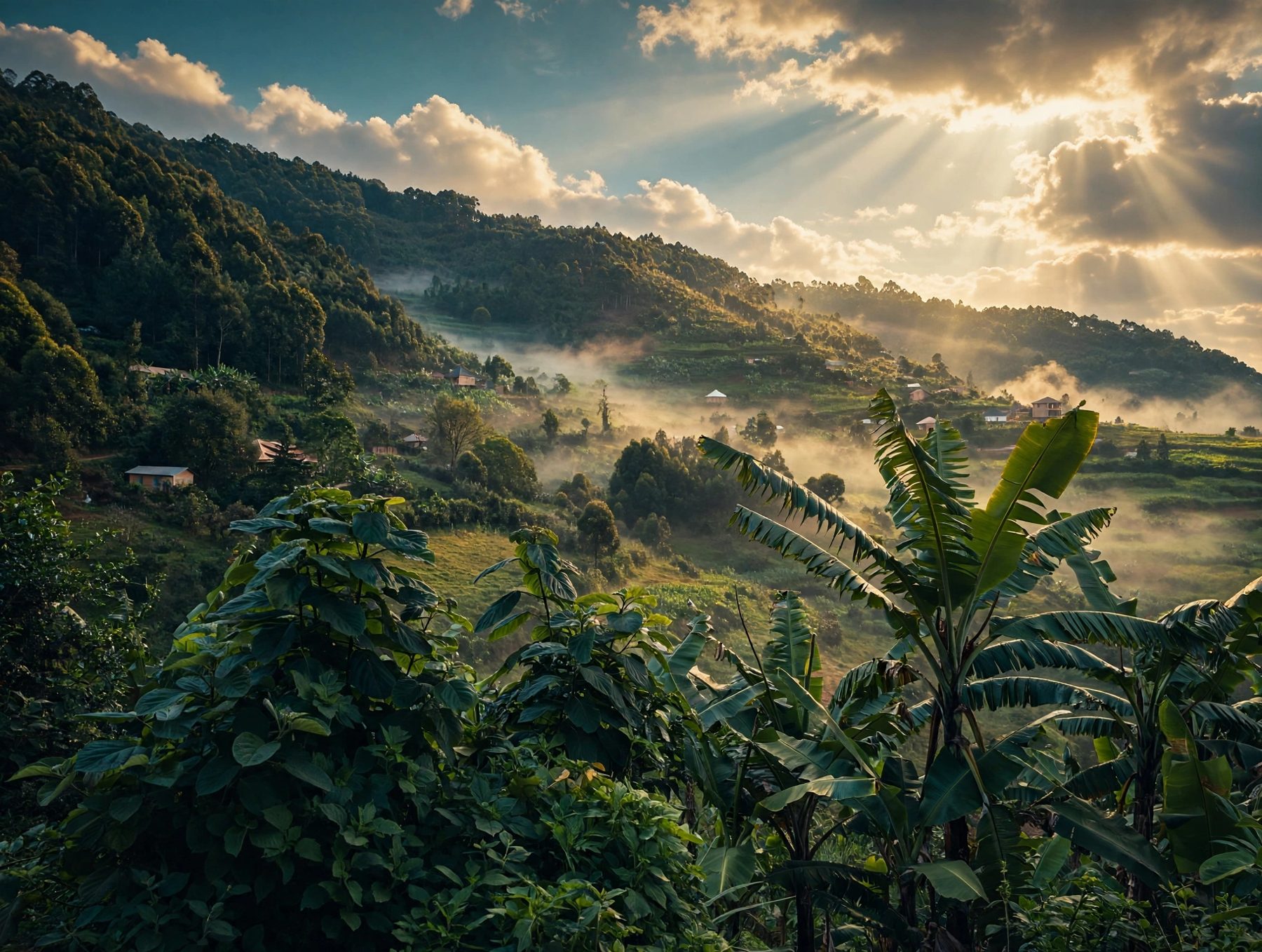
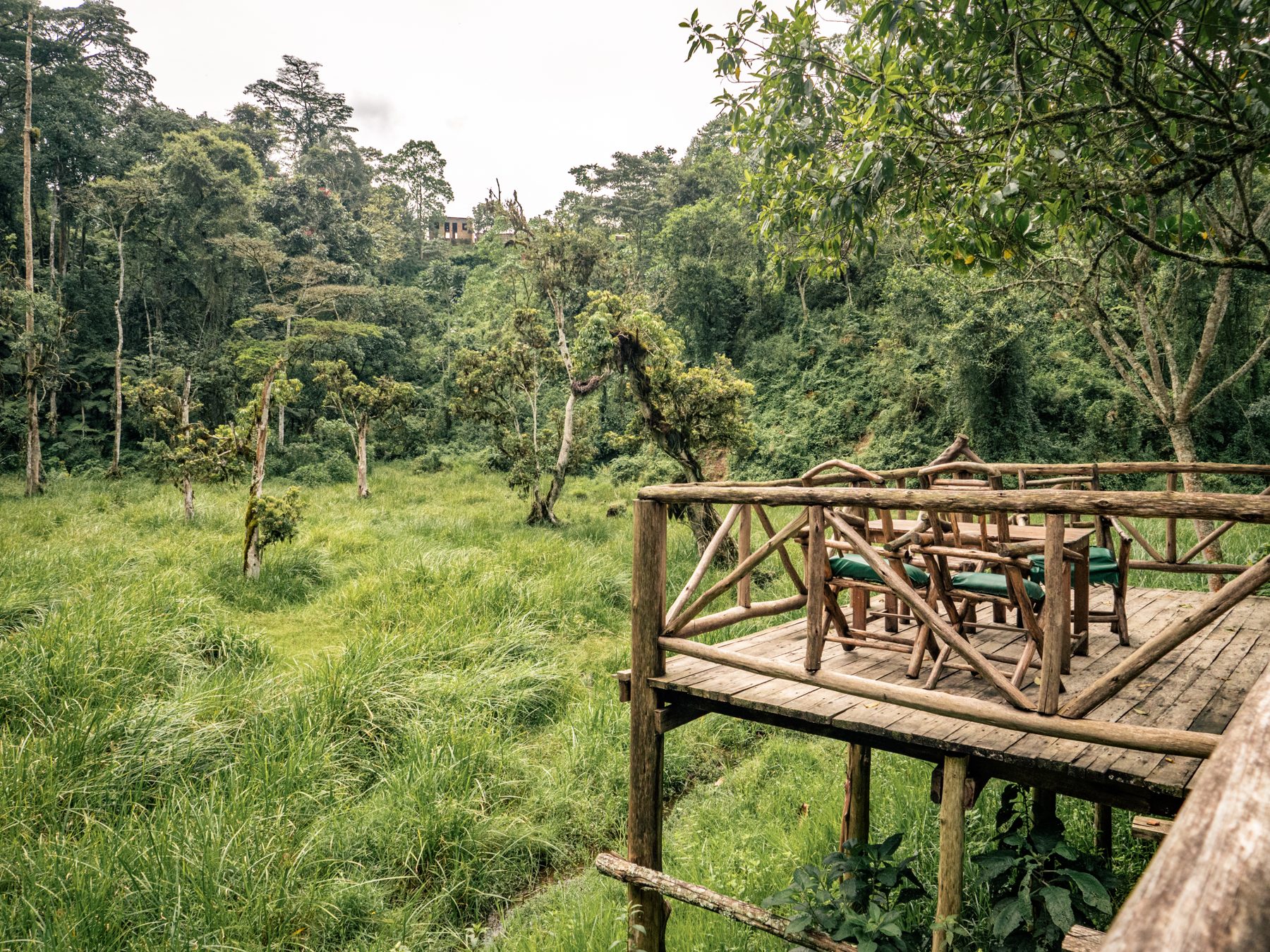
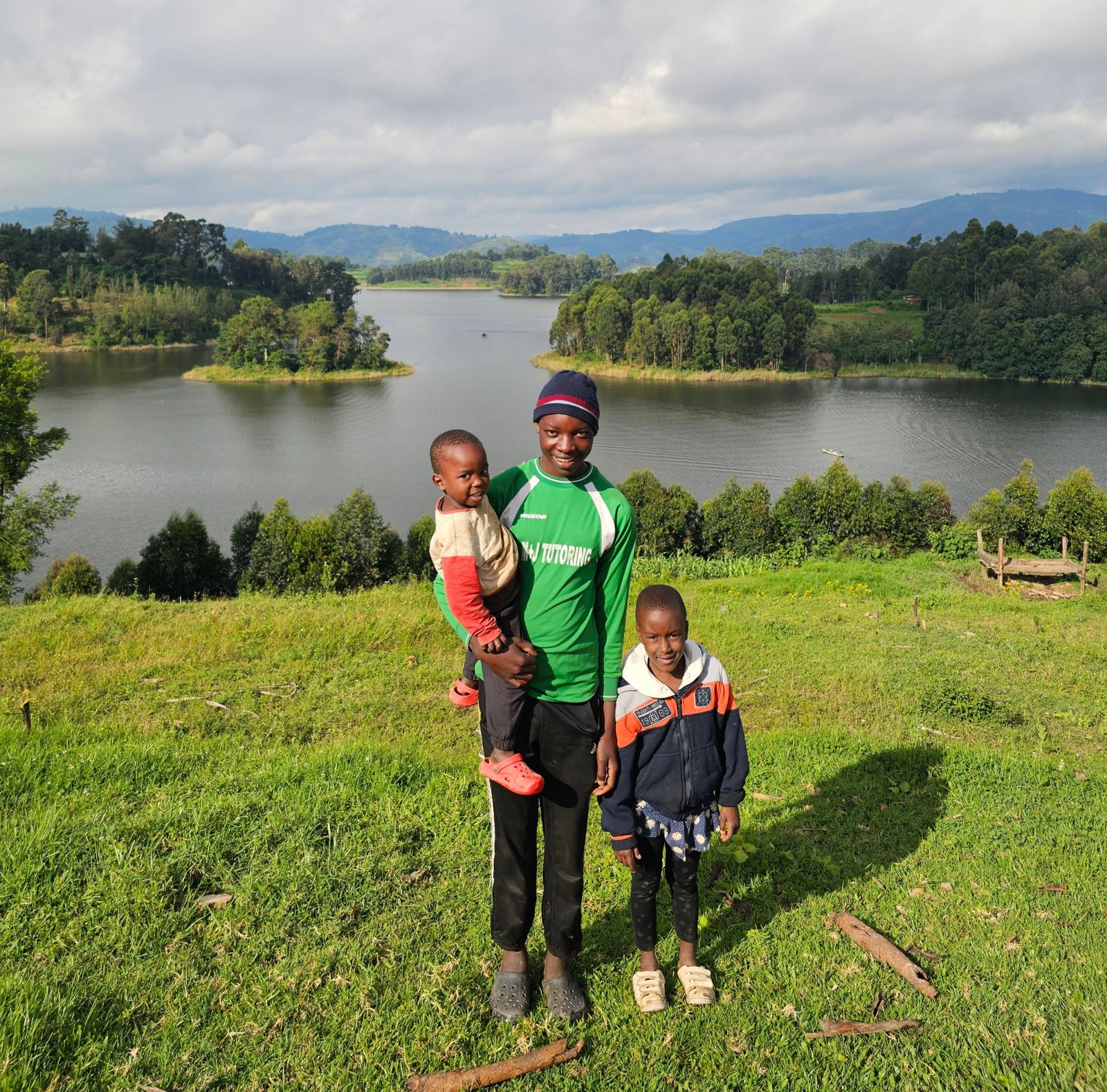
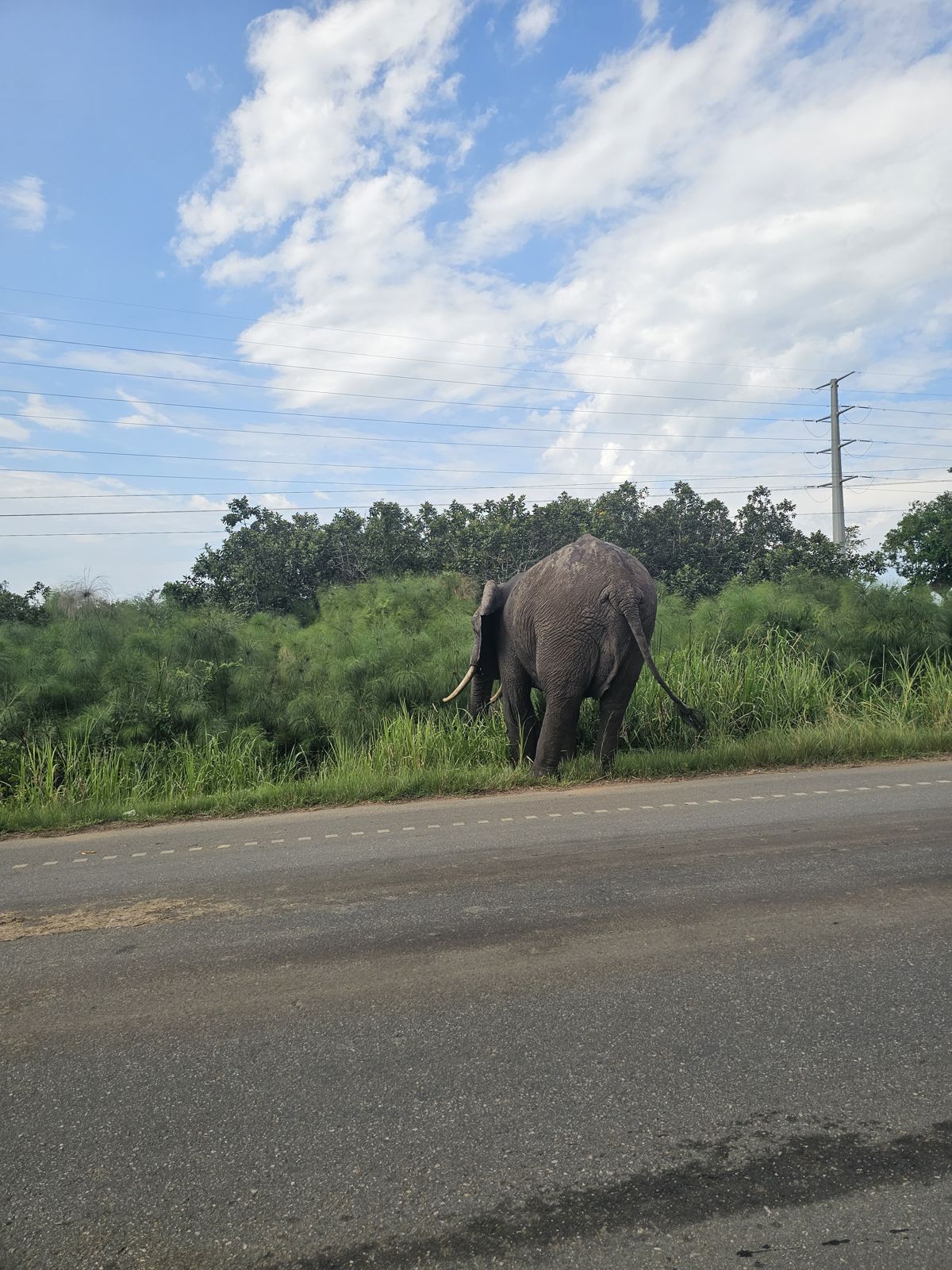
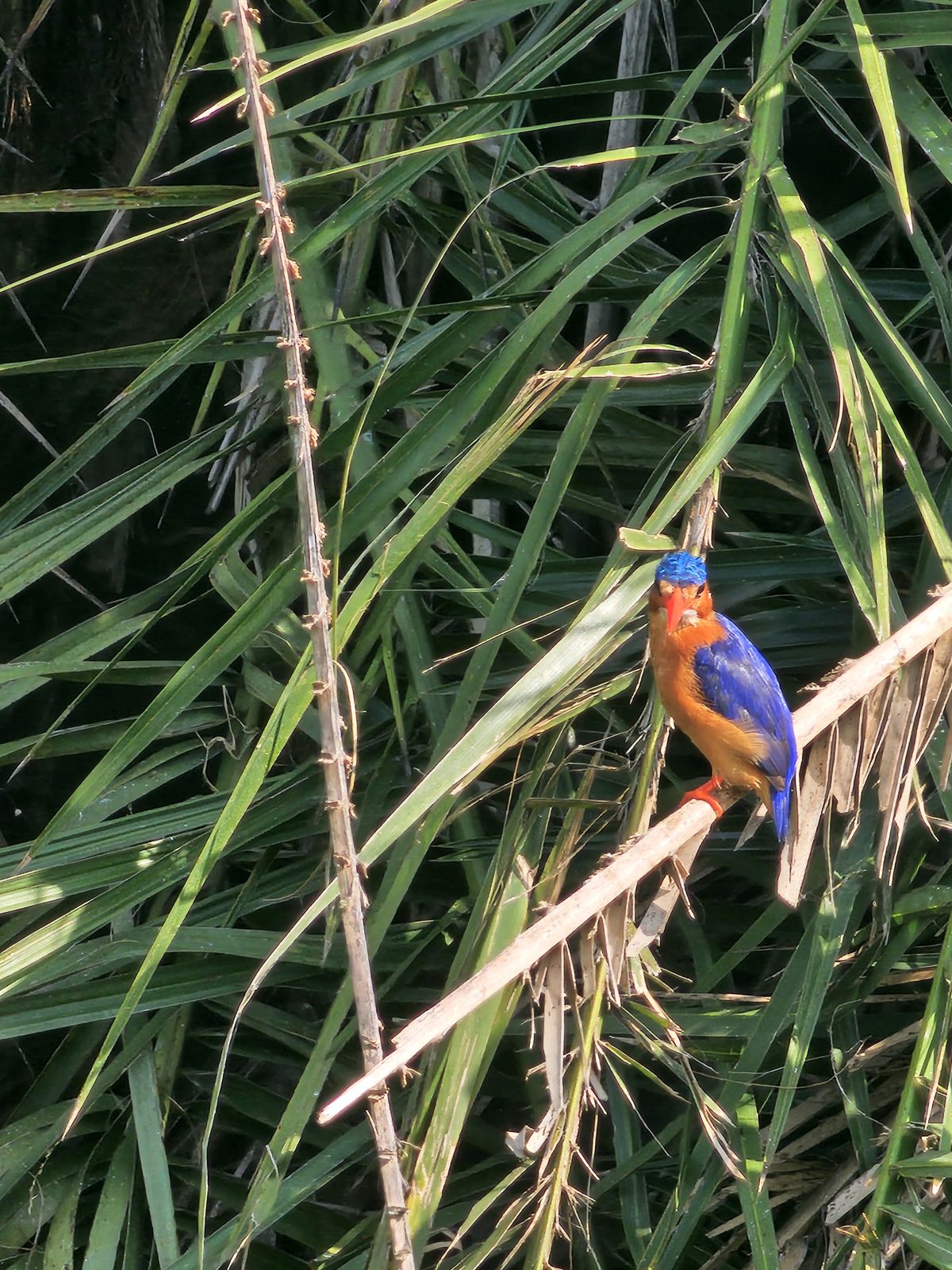
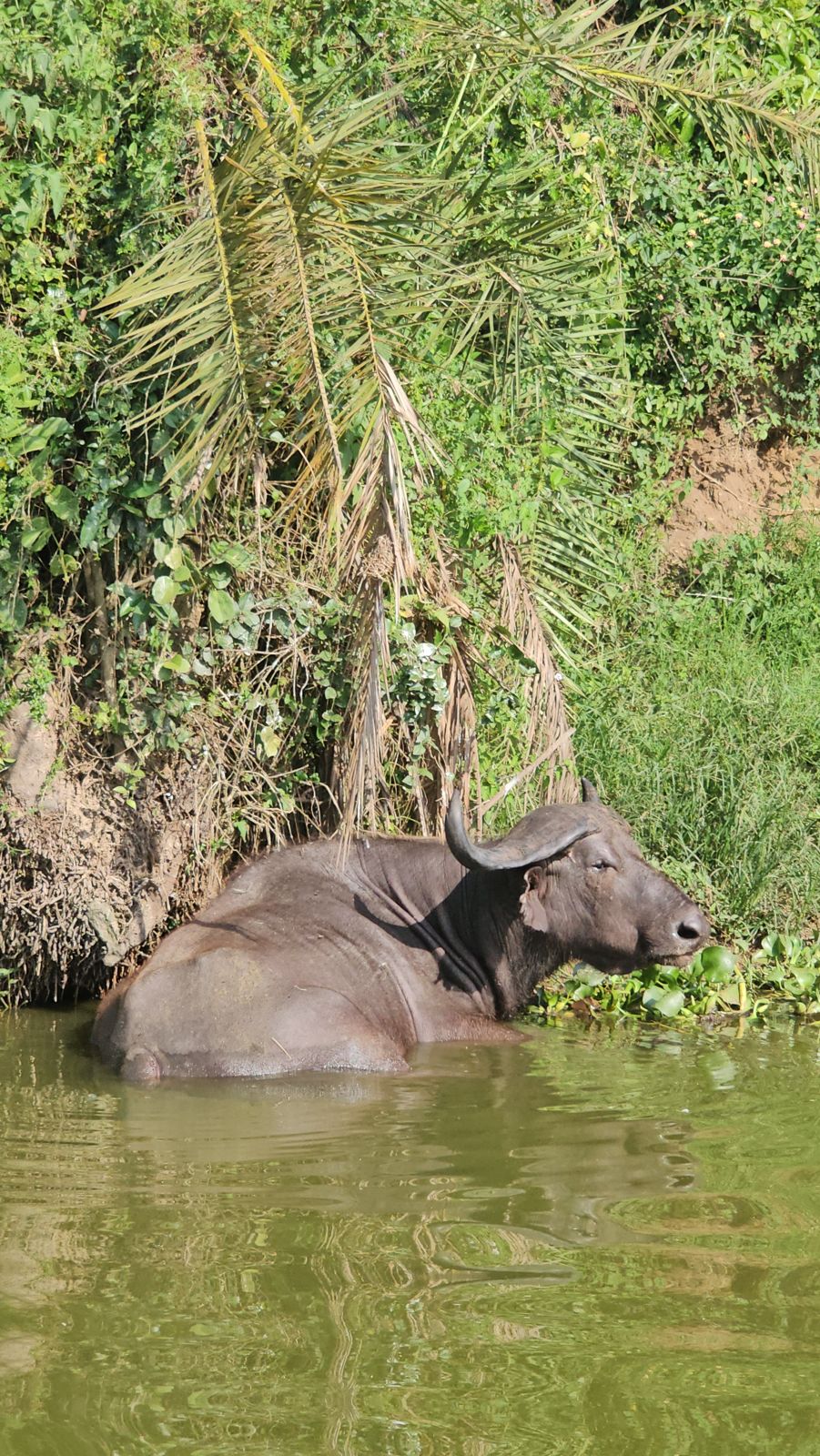
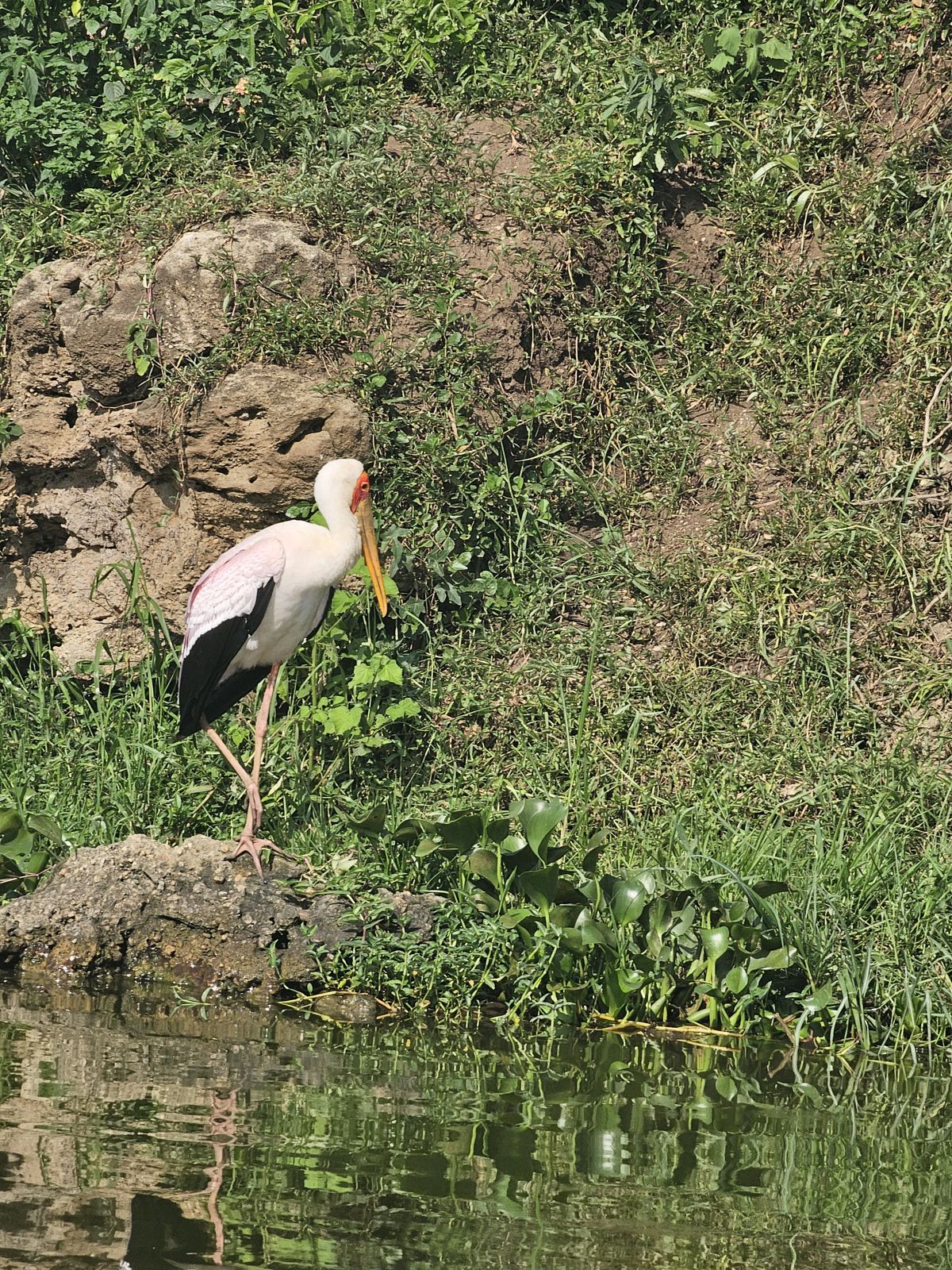
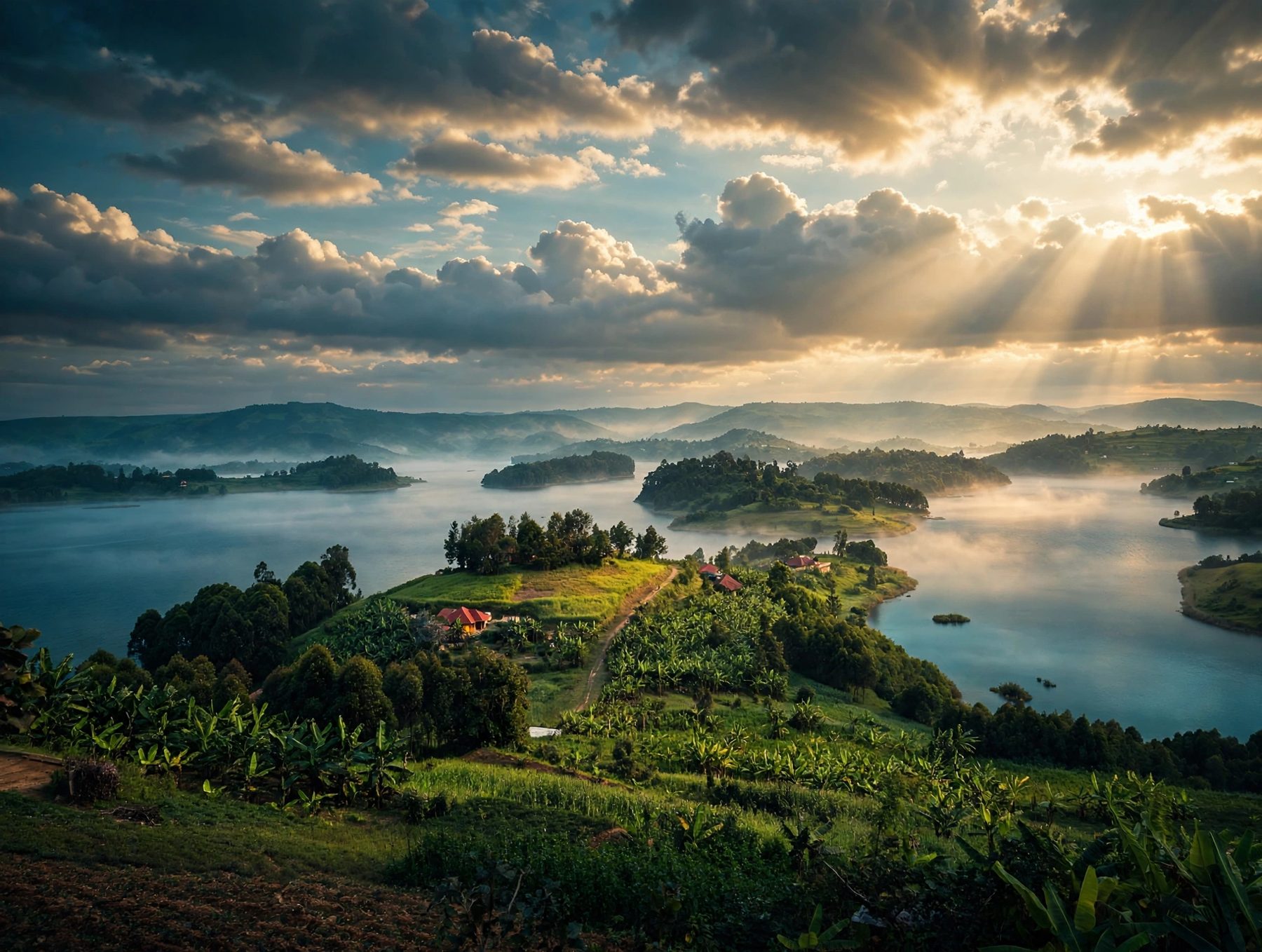
Rushaga, Lake Bunyonyi, and a boat trip on the Kazinga Channel in Queen Elizabeth National Park.
Message us on WhatsApp for the quickest answer. Tell us how many people, how many days, and whether you already have gorilla permits.